The following article is long, nerdy, and hopefully very helpful. You will learn about teenage skincare routines, acne, external factors, the most common skin concerns, maskne, dermatitis, dry and dehydrated skin, how to pop a pimple, plus tricks, tips, and honest advice.
This article is suitable for moms with teens, anyone between 14 and 25 years old, or even beauty therapists who want to learn more (or disagree with me!). And of course, curiosity and hunger for knowledge are welcome as well.
Hormones – the root of it all
Nowadays, teenage years can be full of pressure, uncertainty, and change. The internet is filled with information that can sometimes be overwhelming and confusing. So let’s start with the most important thing happening in your body right now: hormones.
Hormones are the main cause of imbalances and imperfections in the skin, but they’re not the only ones. There are also important internal and external factors that can lead to unpleasant skin concerns.
Puberty is the process when your body changes and develops, and that often causes hormonal imbalances. Absolutely normal! Testosterone, for example, spikes in puberty and stimulates sebaceous glands to go into overdrive, causing clogged pores, oiliness, and most often acne. Teen boys are more prone to acne during these years, but after the 20s, the tables turn and girls’ hormones tend to fluctuate more (monthly menstruation, pregnancy, pill, menopause). These imbalances bring breakouts, and that is okay—it’s part of the process.
Teen acne – not just skin deep
Breakouts are hands down the No.1 issue among teenagers, and they don’t only affect skin—they impact self-esteem and confidence too. Acne is influenced by diet, lifestyle, poor skincare choices, and of course hormones.
What worries me most is how misinformed many people are, even though we live in the age of unlimited information. From puberty onward, every teenager should at least have one proper visit with a skin therapist—either online or in a salon. This can prevent acne or make it better. Yes, a Skin Therapist (beautician, skin expert, skin coach—call it what you want) is the right person to guide you.
We study skin in depth for years: anatomy, biology, chemistry, plus advanced training and product knowledge. I know many people think only a dermatologist should do this, but that’s not always the case. In fact, beauty therapists can successfully treat juvenile acne and sometimes even achieve better results than a medical prescription, because we combine multiple approaches: medical-inspired, holistic, and cosmetologically.
Dermatologists are, of course, highly qualified, and some are amazing. But the reality is, not all of them care beyond the prescription pad. Too often I’ve seen teenagers handed strong medications like Accutane for even mild acne, which can destabilize not just the skin but the entire body and mind. Research shows that teens on Accutane are more prone to depression, anxiety, and sometimes secondary conditions like rosacea. I believe Accutane should only ever be a last resort.
What you must understand is that every skin is different, and every person deserves a customized treatment plan. Sometimes, instead of rushing into drugs, all you need is a consistent routine: a proper cleanser, a balancing toner, SPF during the day, and a treatment serum at night (with ingredients like retinoids, salicylic acid, or benzoyl peroxide).
A closer look at acne
Acne isn’t “just pimples.” It’s a skin condition with different types and levels of severity:
- Non-inflammatory acne → blackheads and whiteheads (comedones).
- Inflammatory acne → papules, pustules, and nodules.
Severity can range from:
- Mild: just a few pimples here and there.
- Moderate: more widespread breakouts and inflammation.
- Severe: multiple lesions, nodules, and sometimes cysts.
Why does acne actually form? It’s usually the result of several processes happening at the same time:
- Excess sebum production.
- Hyperkeratinization → dead cells clog the follicles.
- Bacterial colonization (P. acnes) inside the pores.
- Inflammatory mediators that create redness, swelling, and pain.
And here’s the important part: untreated acne doesn’t just fade away. It can lead to scars, pigmentation, and long-term texture changes. Just as importantly, it can affect mental health—self-esteem, social confidence, and even the way teens interact with the world.
That’s why early, correct treatment is crucial.
Skincare routine for teens
A simple but consistent regimen is key:
- Precleanse (if wearing makeup or very oily) with balm or oil.
- Cleanse with a lightweight gel (not just micellar water).
- Tone with something gentle and alcohol-free (thermal water works wonders).
- Serum with 2% salicylic acid, niacinamide, zinc, or retinol.
- SPF30 in the morning, preferably mattifying.
- A hydrating night cream or gel (“Hydra” usually means lightweight hydration).
- Weekly exfoliation (enzymes, lactic acid, rice bran).
- Clay mask once a week for sebum control.
Balance is everything: if you focus only on “killing acne,” you risk dehydrating your skin and damaging the barrier. Always combine treatment with hydration.
Lifestyle, diet, and mindset
Skincare products are only half the story. Your diet, lifestyle, and emotions all show up on your skin. Too much sugar, processed foods, or dairy can trigger inflammation and hormonal imbalances. Try testing—cut out one food for 3 months, take pictures before and after, and see how your skin reacts.
And remember, you are not disgusting just because you have breakouts. Pimples don’t define you. Everyone goes through this stage. Be patient, don’t obsess in the mirror, and don’t put unnecessary pressure on yourself.
Professional treatments – my Teen Facial
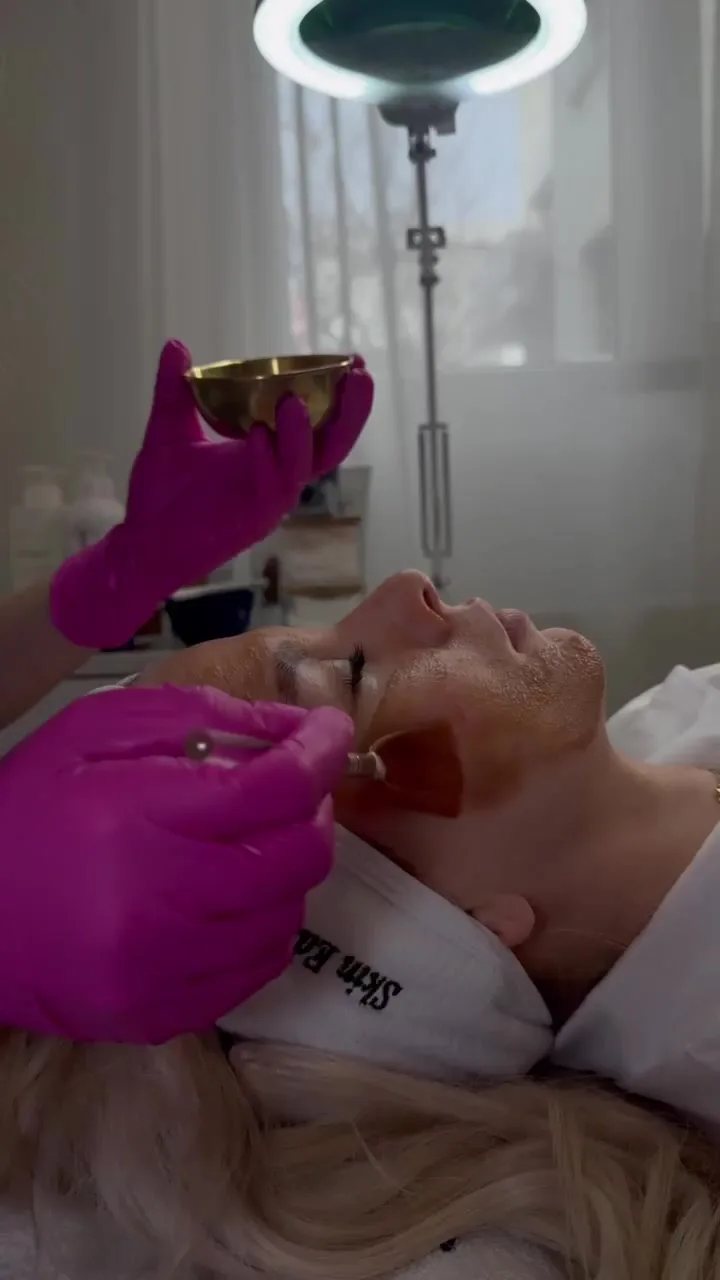
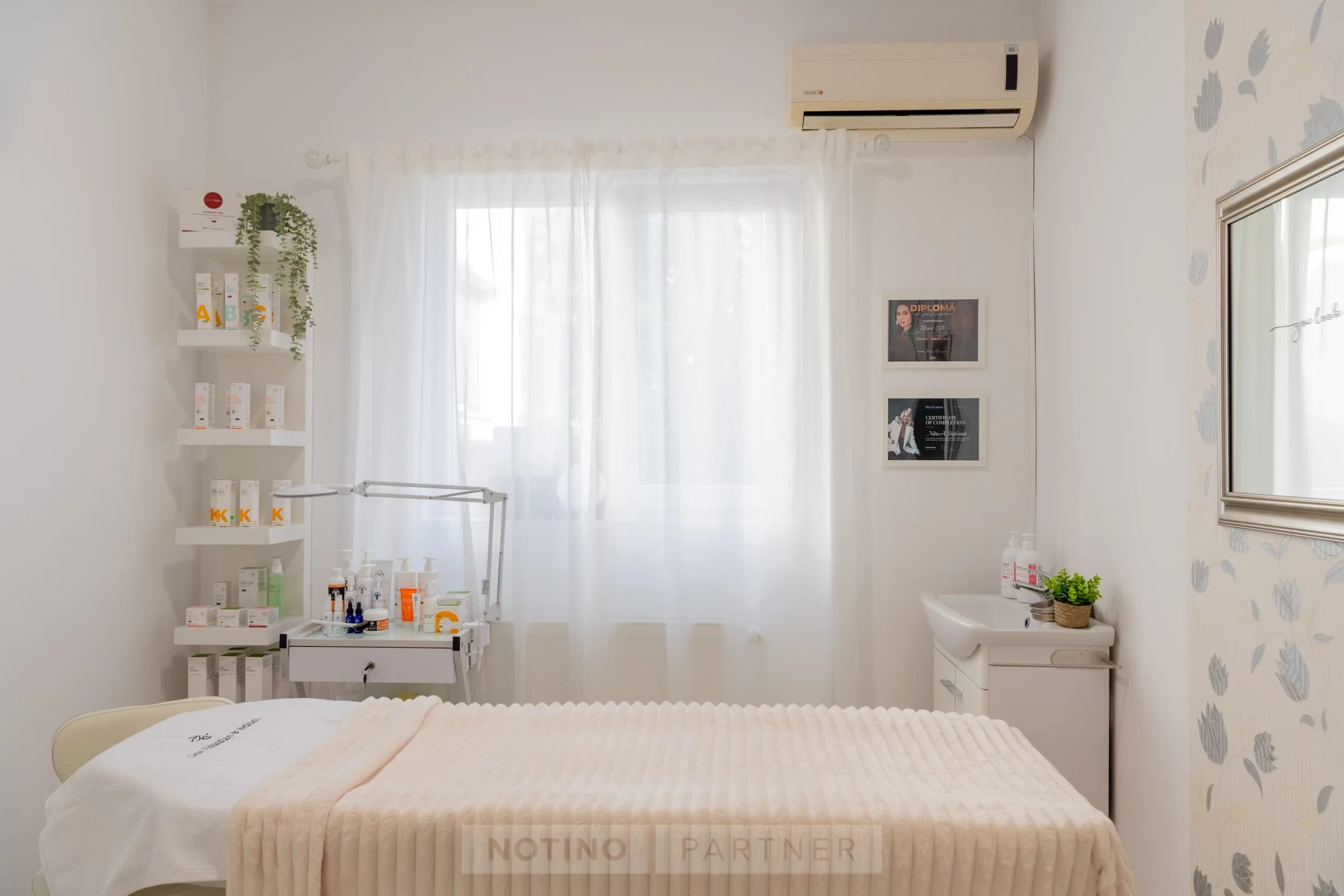
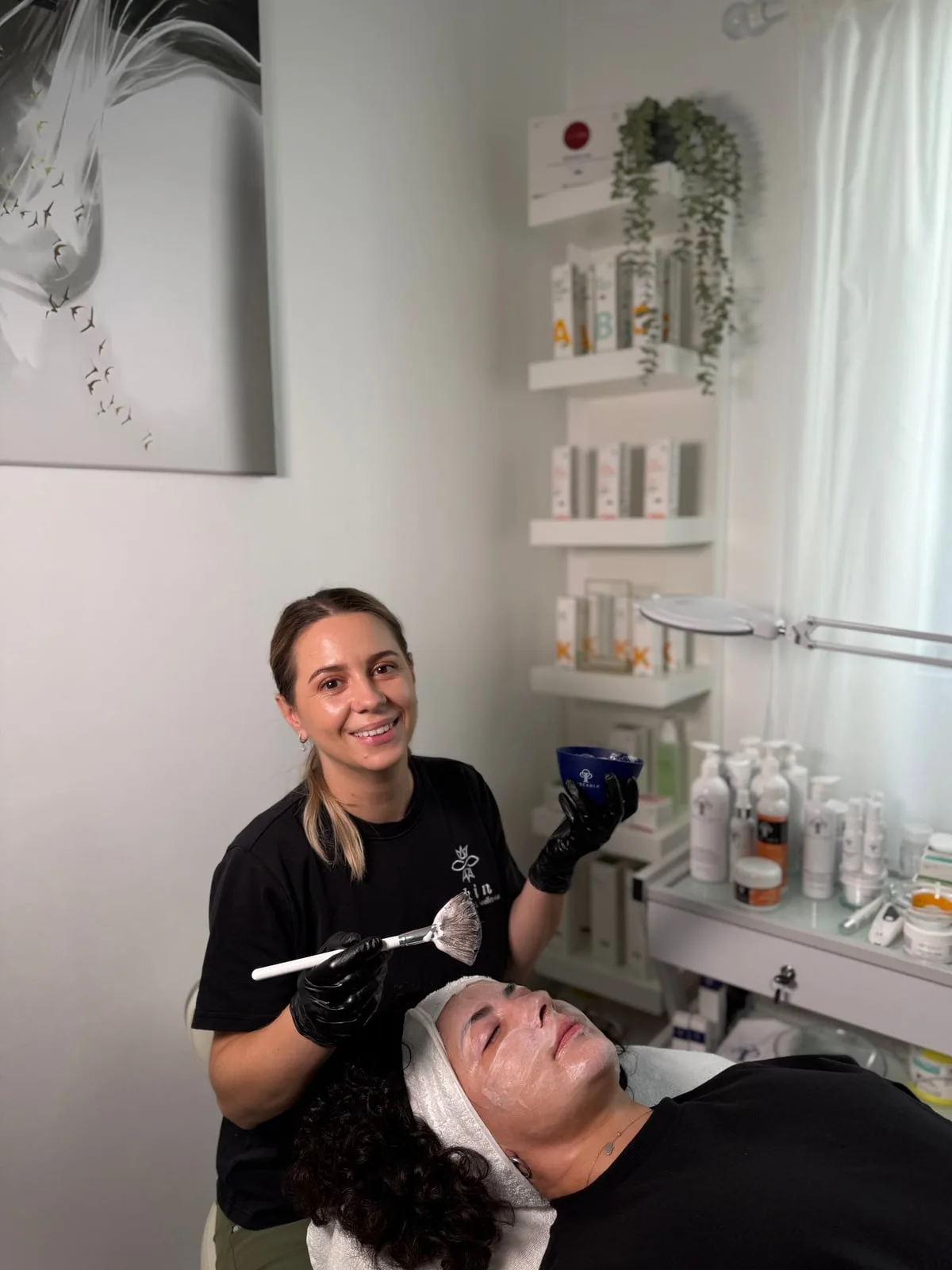
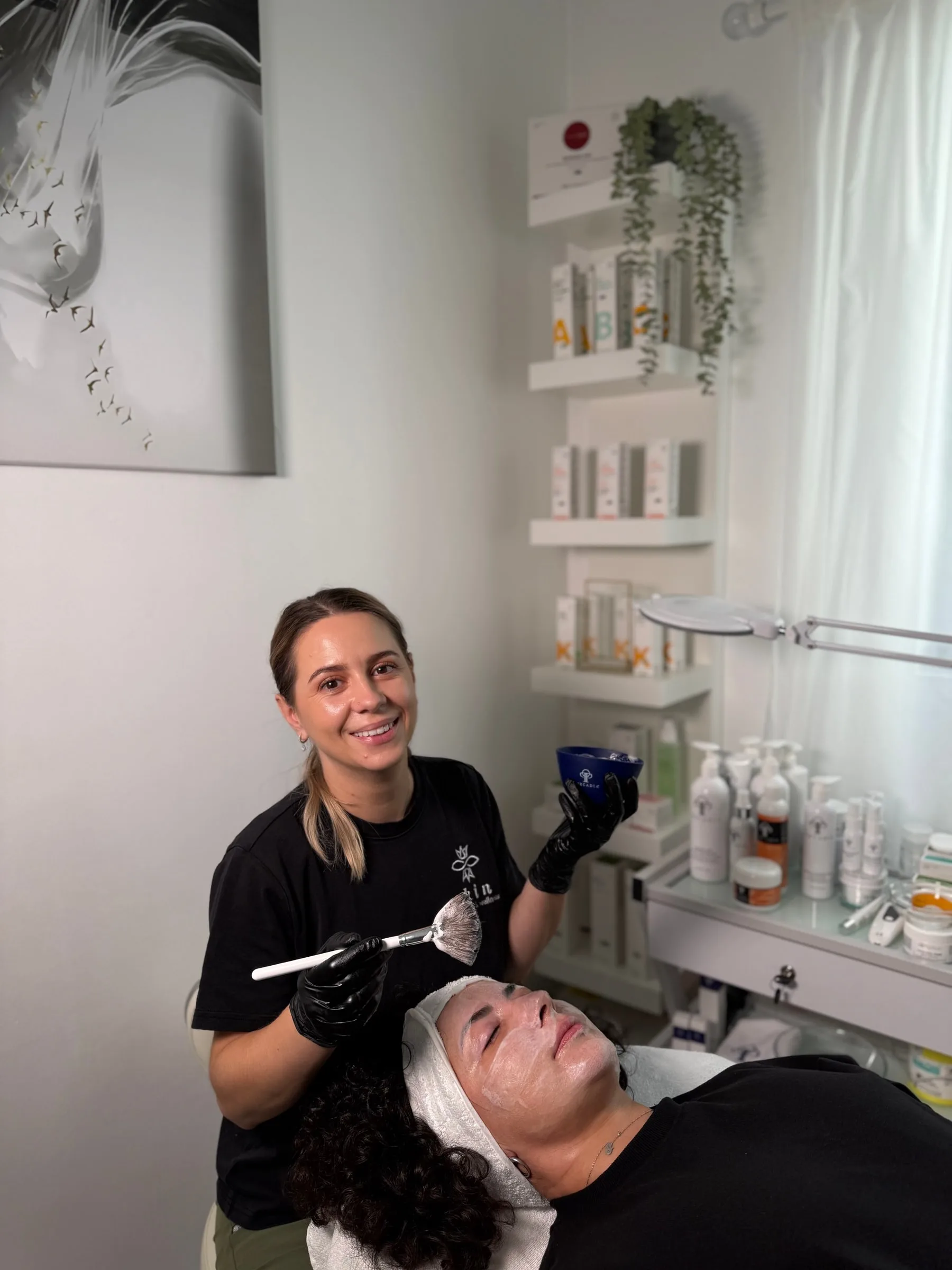
At Skin Education & Wellness Clinic, I created a very special treatment for teenagers called Teen Facial – Hello Happy Skin!. It’s an advanced facial that focuses on extractions, gentle peels, hydration, and reducing inflammation. It’s a process, not a quick fix—but one that makes a huge difference over time.
I offer it at a very decent price because I believe teens deserve healthy skin without financial pressure. On top of that, I also collect donations to provide skincare products and free education to teens from disadvantaged families. Because access to skin knowledge and proper care shouldn’t depend on how much money you have.
For my teen clients, I also offer a loyalty program and treatment packages, because skin health is a journey, not a one-time visit.
👉 Teen Facial – Hello Happy Skin! costs less than all those “miracle masks” you’ve already wasted money on. And it actually works. Book your appointment and give acne the ultimate unfollow.
Other common issues
Maskne (acne from masks), dermatitis, dry vs. dehydrated skin—these are also frequent among teens. Dry skin is a lack of oil (genetic or acquired), while dehydrated skin is a lack of water (caused by impaired barrier or harsh products). You can be oily and dehydrated at the same time. Dermatitis, on the other hand, shows as inflamed, itchy patches and often flares due to stress, hormones, or irritating products.
Always use gentle, fragrance-free, soothing products. Avoid random TikTok “miracle hacks.” And never use your friend’s skincare just because it “worked for them.” Your skin is unique.
Final advice
Wear broad spectrum SPF every day, cleanse and exfoliate properly, stay hydrated, exercise, and surround yourself with people and habits that bring you joy. Don’t fall into the trap of influencers who recommend products for money. Learn, test, be patient, and above all—be kind with yourself.
And if you’re ready to take action, book your Teen Facial – Hello Happy Skin! with me today. Together, we can make your skin healthier, calmer, and happier—step by step.
Skin Journal articles are educational and do not replace medical advice. If you have a skin condition or take medication, talk to your doctor. Disclaimer (RO)