Are you curious to find out more about what essential oils for the digestive system you can use?
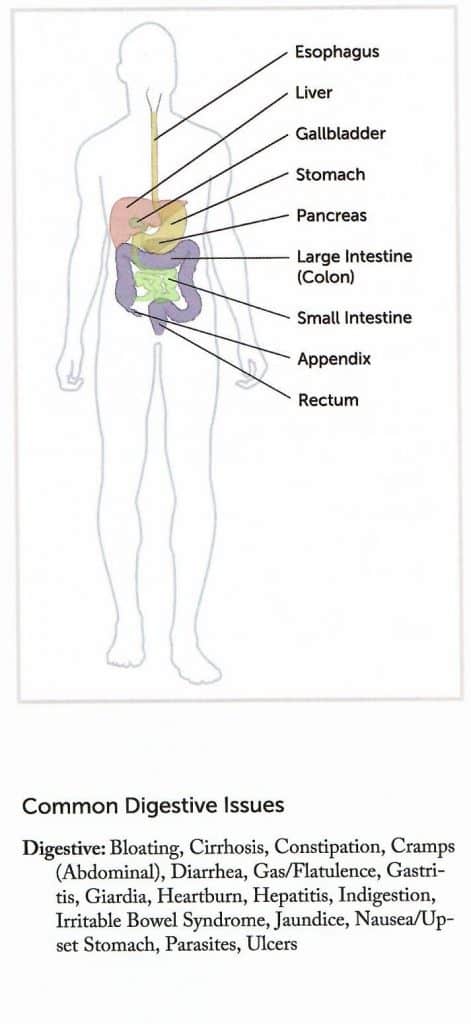
The digestive system or your gut health breaks down food and absorbs nutrients that are further absorbed into the bloodstream. Digestion makes it possible for your body to get the nutrients and energy it needs to keep you healthy, happy, and strong.
There’s a lot of research into gut health and it is now scientifically proven that we have a second brain, called the Enteric Nervous System (ENS) that is placed in our gut. Although our two brains are entirely distinct, they are both wired electrically. That means that our brain can affect our gut health and our gut can affect the health of our brain.
What happens emotionally?
Firstly, we all know that stress and external factors such as pollution, lifestyle, and diet are the main cause of digestion problems. There is also an emotional cause because everything is connected. When we start to connect more with ourselves and start digging deep inside, our body is aware of a healing process.
From a holistic perspective, digestion problems warn us about the difficulty or tensions we encounter in the management of our material life.
Financial or professional, school or judicial difficulties
expressed in this way, can cause us real or imaginary concern.
Due to its role as a “food mixer”, the stomach that causes us suffering may also mean that we usually tend to turn over, repeat even excessively, things, and events in our minds. Then,
gastric acidity happens, which is a sign to stop the overthinking process.
For example, a very large number of ulcer cases often occur due to professional challenges. For a long time, ulcers have been the most common disease among business people. Also, numerous students who felt cramps or stomach burnings before exams, recognize them as a sign of their anxiety.
Top 7 essential oils to help your digestion

- Peppermint has been used for centuries to soothe and calm digestive difficulties, freshen breath, and relieve colic, flatulence, indigestion, stomach burns, and aches. It has a cooling effect and it’s very efficient for any digestive problem, including diarrhea, nausea, or vomiting. How to use: dilute 1 to 1 with coconut/grapeseed oil or any carrier oil you may have and gently massage your belly. Inhale for a few minutes and apply around your diaphragm. I use peppermint internally as well. Because I know it’s pure, and never lets me down. One drop sublingual or two drops in a glass of water or in veggie capsules). Peppermint tea is also a good idea but not as powerful as an essential oil.
Ginger. Known for centuries as a prized spice, ginger is particularly beneficial for the digestive system. Naturally soothing, ginger remains the go-to remedy for digestive upsets. It can also reduce feelings of motion sickness and nausea. In addition to its warming and uplifting qualities, it boosts energy and fosters feelings of courage. Ginger is also used for cramps, indigestion, digestive disorders, loss of appetite, and morning sickness. How to use: Just like peppermint, ginger can be applied topically, inhaled aromatically, or taken internally.
Transitioning to another powerful digestive ally:
- Fennel. With a rich history as both a sacred and medicinal herb, fennel stands out for its cooling and cleansing properties. This essential oil stimulates appetite and can ease indigestion caused by emotional upset or hurried meals. Fennel works holistically on both body and mind, relieving flatulence, bloating, cramps, and constipation. Emotionally, it provides the courage to release pent-up feelings. How to use: For an ideal blend, mix fennel with ginger, peppermint, marjoram, thyme, and lavender, and massage the mixture on your belly in a gentle clockwise motion. Repeat after 30 minutes.
Next, let’s explore a more aromatic option:
- Cardamom. This natural diuretic and digestive stimulant enhances metabolism and helps the body process fat more efficiently. Cardamom increases circulation, provides a mild diuretic effect, and calms an upset stomach. It’s refreshing, antiseptic, and even helps treat bad breath and gum issues. How to use: Mix equal parts of carrier oil and cardamom essential oil, and massage the blend in a clockwise direction. Alternatively, add two drops to a glass of water with one drop of peppermint for a refreshing daily mouthwash.
Another oil to consider for digestive discomfort is:
- Cumin. Although I’ve never been a fan of cumin’s taste and often avoided it, this essential oil dates back to Ancient Egypt and Assyria. Cumin is calming and soothing, lifting the spirits while easing pain and digestive discomfort. It fortifies your gut and alleviates nausea, bloating, and constipation. Use cumin when you feel sluggish, tired, or weak, as it has an energizing effect. How to use: Always dilute cumin oil as it is photosensitive and may irritate the skin under UV light. Apply it similarly to the other oils.
And for a fresh and invigorating option:
- Lemongrass. This oil is incredibly uplifting and purifying, with a refreshing and stimulating effect. It naturally boosts appetite and is frequently used for gastritis, cramps, and easing pains and aches. How to use: Diffuse lemongrass to enhance focus and purify the air. You can also massage it onto areas of discomfort. Its mildly diuretic effect helps with lymphatic drainage.
Finally, citrus oils are excellent digestive aids:
Citrus Oils. Tangerine, lemon, sweet orange, and grapefruit all enhance digestion, uplift mood, and cleanse the body. These oils help food move efficiently through your gut, relieve constipation, and combat food poisoning, nausea, and sickness. How to use: Apply topically with caution, as citrus oils can become photosensitive under UV rays. For the best results, diffuse them, inhale deeply, or take them internally by adding them to water or using veggie caps.

Remember, the essential oils I mentioned may cause irritation and sensitivity when applied directly to the skin. If you’re sensitive, use a carrier oil, and avoid using them on children under 7 years old. If you’re pregnant, play it safe and consult your physician.
The only essential oil blend that wins everybody’s digestive system’s heart is ZENGEST from doTERRA.
ZenGest is designed to support your body’s digestive system. It also has strong emotional qualities, being a support for those people who have lost interest in life and the physical world. Too much information can lead to some form of emotional indigestion. Therefore, if you find it difficult to ‘digest’ a piece of information or a situation, ZenGest is the answer.
This unique blend contains Ginger, Fennel, and Coriander to help ease occasional stomach discomfort, including motion sickness and indigestion. Meanwhile Peppermint, Tarragon, Anise, and Caraway aid with digestion and help maintain a healthy gastrointestinal tract.
ZenGest is a wonderful companion to aid in the digestion of food, soothe occasional upset stomachs, and reduce uncomfortable gases and bloating.
Emotionally, it helps those feeling disappointed and lacking compassion and hope. It releases old beliefs stored in the stomach meridian, as well as the large and small intestines.
Indications
For digestive system issues: indigestion, constipation, stomach cramps, bloating, heartburn, acidity, morning sickness, parasites, ingestion of toxic substances, motion sickness, constipation, stomach viruses, chronic stomach inflammation, irritable bowel syndrome, chronic fatigue, diverticulitis, food poisoning. It has an antioxidant effect.
How to use
ZenGest can maintain overall digestive health when taken internally – dilute 1 drop in 4 fl. oz. of liquid or apply tree drops mixed with a carrier oil on your tummy in a gentle massage. Happy Digestion!
Finally, are you thinking to buy yourself some of these oils? Remember that their therapeutic effects are wide, and you can use them in your everyday life. Get your 25% discount when you create your account and benefit from loads of promotions and discounts. Save money and stay healthy!
References:
Michel Odoul, What Your Aches and Pains Are Telling You: Cries of the Body, Messages from the Soul, 2018; Modern Essentials, A complete guide to the therapeutic use of essential oils, 9’th Edition; Neal’s Yard Remedies, Essential oils, 2016; Julia Lawless, The encyclopedia of essential oils, 2014.


